From Kitchen Waste to Radiant Skin

Today we explore the efficacy of repurposed plant extracts, moving from humble coffee grounds to carefully crafted face scrubs that elevate skincare while reducing waste. We will unpack what makes these botanical leftovers potent, where caution is warranted, and how formulation choices shape results. Expect practical insights, research highlights, and a real-world story proving sustainability and performance can happily coexist. If glowing skin and lighter footprints appeal to you, join in, ask questions, and brew curiosity alongside your favorite cup.

Why Upcycling Botanicals Works

Many plant by‑products still carry an abundance of bioactive molecules after their first life is over. Coffee grounds, fruit peels, and herb stems often retain antioxidants, acids, and aromatic compounds that can support gentle exfoliation, protect against environmental stressors, and enrich texture. Upcycling diverts waste while tapping into real functional benefits. The key is understanding variability, safety, and how to combine these materials with humectants and emollients so the skin barrier remains calm, comfortable, and luminous rather than stripped or sensitized.

Coffee Grounds Under the Microscope

Beyond their familiar scent, spent coffee grounds contain caffeine, chlorogenic acids, diterpenes, and Maillard‑reaction compounds with intriguing topical effects. While brewing extracts much, it does not remove everything. Residual molecules can support microcirculation, defend against oxidative stress, and contribute mild astringency that refines texture. Yet composition shifts with origin and roast, making quality control essential. Understanding this chemistry guides better storage, safer processing, and smarter pairings with hydrating agents to preserve comfort while pursuing brightness, smoothness, and clarity.

Caffeine’s Wake‑Up Call for Skin

Topical caffeine may reduce the look of puffiness through transient vasoconstriction while offering antioxidant support. In a scrub, it works alongside mechanical exfoliation to reveal brightness. However, dose, contact time, and vehicle matter. Too little and there is no visible impact; too much and irritation risks rise. Blend with panthenol or beta‑glucan to cushion sensation, keep exposure brief, and follow with hydration. The goal is a refreshed appearance that feels lively, not tight or overenergized.

Chlorogenic Acids and Oxidative Stress

Chlorogenic acids can neutralize free radicals and support a more even look to tone. Although brewing diminishes their levels, spent grounds still harbor enough to enrich rinse‑off formulas when freshness is maintained. Light, heat, and air dismantle efficacy, so opaque containers and small batches help. Pairing with vitamin E or rosemary extract can bolster stability without heavy preservatives. The result is a quietly supportive antioxidant backdrop that complements, rather than replaces, your leave‑on serums and daily sunscreen.

Formulation Secrets for Gentle Exfoliation
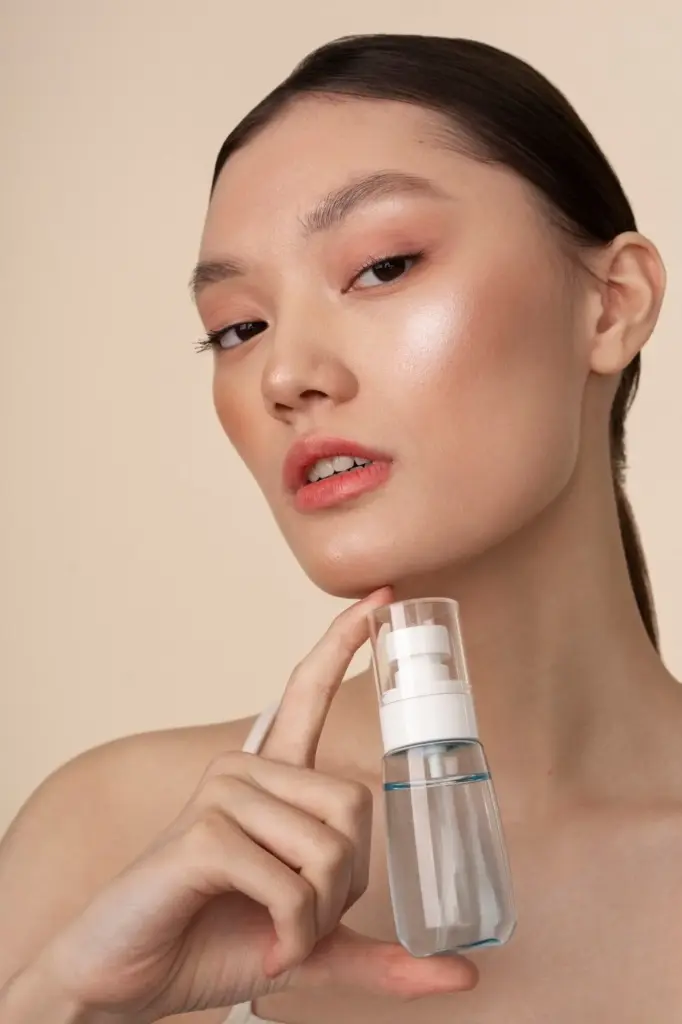
A thoughtful base transforms gritty leftovers into a polished experience. Particle size should be fine, rounded, and evenly dispersed to minimize hotspots. Emulsions cushion glide; gels lend clarity and rinse clean; balms slow everything down for dry or cold climates. Add humectants like glycerin, propanediol, or honey to maintain slip, and keep pH near skin comfort. Small doses of soothing agents prevent redness. Above all, calibrate frequency to season, skin mood, and overall routine intensity.

Evidence Check: What Studies Really Show
In Vitro Promise vs. In Vivo Reality

Cell studies reveal antioxidant and anti‑inflammatory potential, yet the skin environment is complex, with sebum, microbiota, and barrier lipids moderating outcomes. Rinse‑off contact time is short, so benefits arise from synergy: mechanical polishing plus brief bioactive exposure. Translating lab promise into bathroom results requires humility, replications, and transparent reporting. Use these insights to steer choices, not to justify extremes. Consistency, gentle technique, and sun protection will always outshine experimental bravado in real‑life routines.

Patch Tests, TEWL, and Redness Scores

Cell studies reveal antioxidant and anti‑inflammatory potential, yet the skin environment is complex, with sebum, microbiota, and barrier lipids moderating outcomes. Rinse‑off contact time is short, so benefits arise from synergy: mechanical polishing plus brief bioactive exposure. Translating lab promise into bathroom results requires humility, replications, and transparent reporting. Use these insights to steer choices, not to justify extremes. Consistency, gentle technique, and sun protection will always outshine experimental bravado in real‑life routines.

Sustainable Impact Meets Dermatology Outcomes

Cell studies reveal antioxidant and anti‑inflammatory potential, yet the skin environment is complex, with sebum, microbiota, and barrier lipids moderating outcomes. Rinse‑off contact time is short, so benefits arise from synergy: mechanical polishing plus brief bioactive exposure. Translating lab promise into bathroom results requires humility, replications, and transparent reporting. Use these insights to steer choices, not to justify extremes. Consistency, gentle technique, and sun protection will always outshine experimental bravado in real‑life routines.

From Café Bin to Bathroom Shelf: A Real Story
Mira, a barista‑turned‑formulator, began by drying weekend espresso pucks in her apartment oven, grinding them into silky powder, and blending with aloe, glycerin, and a whisper of squalane. Friends noticed smoother cheeks and fewer rough patches in two weeks. She refined particle size and packaging, learned preservation basics, and kept batches small to ensure freshness. Her journey shows how curiosity, care, and community can turn leftovers into meaningful rituals that feel good for skin and planet.

Make It Yours: Safe At‑Home Experiments

Curiosity thrives with care. Start small, keep notes, and treat your skin kindly. Dry, grind, and sieve grounds until very fine, then blend into a simple gel or cream base with humectants for slip. Test on the forearm first, and limit use to once or twice weekly. Sensitive or compromised skin should skip abrasion entirely and seek leave‑on hydration or enzyme options instead. Share your experiences, ask questions, and subscribe to continue learning with a like‑minded, thoughtful community.
Tuninuvelokonixa
Privacy Overview

This website uses cookies so that we can provide you with the best user experience possible. Cookie information is stored in your browser and performs functions such as recognising you when you return to our website and helping our team to understand which sections of the website you find most interesting and useful.